Digha Sonpur Bridge, widely known as J.P. Setu, is one of Bihar’s most important crossings over the Ganga River. The rail-cum-road steel truss bridge connects Digha in Patna on the southern bank with the Sonepur/Pahleja Ghat side in Saran district on the northern bank, creating a direct transport link between Patna and North Bihar. East Central Railway identifies J.P. Setu as one of its critical rail-cum-road links joining North and South Bihar.
The bridge is approximately 4.556 km long and carries both railway and road traffic. Railway services began in February 2016, while the roadway was opened for public traffic in 2017. The crossing significantly improved access from Patna towards Sonepur, Hajipur, Chhapra and other parts of North Bihar, while also providing an alternative to routes centred on Mahatma Gandhi Setu.
Today, the existing J.P. Setu is being complemented by an even larger project. A new six-lane extradosed cable-stayed bridge is being developed immediately west of the existing rail-cum-road structure to increase road capacity and allow movement of goods vehicles that the existing roadway cannot efficiently accommodate.
Quick Overview of Digha Sonpur Bridge
| Particular | Details |
| Name | Digha Sonpur Bridge |
| Popular Name | J.P. Setu |
| Location | Patna-Sonepur, Bihar |
| River | Ganga River |
| Bridge Type | Rail-cum-road steel truss bridge |
| Bridge Length | About 4.556 km |
| Connects | Digha, Patna with Sonepur/Pahleja Ghat, Saran |
| Rail Service Started | 3 February 2016 |
| Road Traffic Opened | 2017 |
| Road Configuration | Two-lane road facility |
| Road Vehicle Use | Existing facility primarily for light vehicles |
| Railway Zone | East Central Railway |
| South-Bank Connection | Digha, Patliputra and western Patna |
| North-Bank Connection | Sonepur, Hajipur and Chhapra side |
| New Parallel Bridge | Six-lane extradosed cable-stayed bridge |
| Known For | Major rail-road connection between North and South Bihar |
The 4,556-metre length and rail-cum-road configuration are consistently recorded for J.P. Setu, while the Union government describes the existing roadway as a light-vehicle connection.
Where is Digha Sonpur Bridge Located?
Digha Sonpur Bridge crosses the Ganga between Digha in western Patna and Sonepur in Saran district. The Union Ministry of Road Transport and Highways identifies Digha as the south-bank location in Patna district and Sonepur as the north-bank location in Saran district.
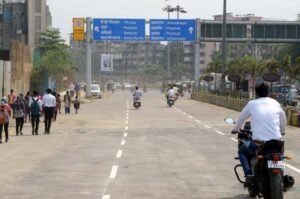
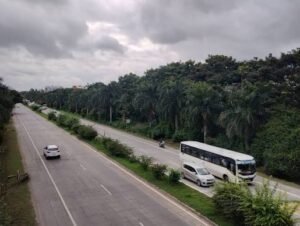
On the Patna side, the bridge is closely connected with Digha, Patliputra, Danapur and the western part of the city. Road connections from this side provide access towards Nehru Path, AIIMS Patna and the J.P. Ganga Path corridor.
On the northern bank, vehicles enter the Sonepur road network. From here, motorists can continue towards Hajipur, Chhapra and other destinations in North Bihar. The location is particularly useful because it provides a Ganga crossing west of Mahatma Gandhi Setu rather than forcing all Patna-to-North Bihar traffic towards the eastern side of the city.
Digha Sonpur Bridge Route and Road Connectivity
The bridge is an important gateway for traffic travelling from western Patna towards Saran, Vaishali and other North Bihar districts.
A common road movement is:
Patna/Danapur → Digha → J.P. Setu → Sonepur → Hajipur/Chhapra and onward routes
Important connections include:
- Digha: Immediate Patna-side approach to the bridge.
- Patliputra: Major railway and residential area close to the southern approach.
- Danapur: Important western Patna locality with connections towards the bridge.
- Sonepur: First major town on the north-bank side.
- Hajipur: Major Vaishali district centre accessible from Sonepur.
- Chhapra: Important Saran district city reached through the road network beyond Sonepur.
- Motihari and Bettiah: Longer-distance North Bihar destinations connected through the developing NH-139W network.
- AIIMS Patna: Road projects are being developed to improve the connection between AIIMS and the Digha bridge corridor.
The completed 20.5-km J.P. Ganga Path from Digha to Deedarganj has also strengthened east-west movement along Patna’s riverfront, making it easier for traffic from different parts of the city to reach the Digha side. The full Digha-Deedarganj stretch opened in April 2025.
Why is Digha Sonpur Bridge Important?
The Ganga creates a major geographical division between Patna and large parts of North Bihar. Every major permanent crossing therefore has an important regional role.
J.P. Setu is particularly significant because it serves both railway and road transport. East Central Railway lists it among the engineering structures providing critical connectivity between North and South Bihar.
For road users, the crossing provides a more direct option from western Patna towards Sonepur and Saran district. For rail passengers, it allows trains to cross the Ganga on the Patliputra-Sonepur route rather than depending entirely on older railway crossings farther away.
The bridge also supports travel towards religious and tourism destinations in North Bihar. The new NH-139W corridor associated with the parallel bridge is intended to improve access towards Vaishali, Kesariya, Areraj and the Bettiah side.
Traffic Conditions at Digha Sonpur Bridge
The existing road portion of J.P. Setu has limited capacity compared with newer highway bridges.
The Union government’s approval for the new parallel bridge specifically states that the existing rail-cum-road crossing is used for light vehicles only and cannot meet the requirement for transporting goods and commodities. This limitation is one of the main reasons a separate six-lane bridge is being developed.
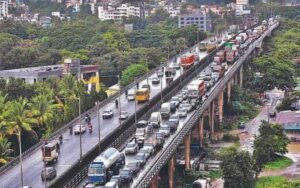
For regular commuters, traffic conditions are influenced not only by the bridge but also by its approaches at Digha and Sonepur. Delays may increase during office peaks, major religious occasions, road diversions or heavy movement towards North Bihar.
Festival periods deserve additional attention. During Kartik Purnima in November 2025, for example, Patna authorities introduced special traffic arrangements around J.P. Setu, including closure of one flank for certain periods and restrictions on heavy vehicles as part of wider Ganga-ghat crowd management.
Travellers should therefore allow additional time during major festivals, particularly when Sonepur Mela and Ganga bathing events generate exceptional movement on both sides of the river.
History and Development of J.P. Setu
The Digha-Sonpur crossing had a long development history before becoming operational.
The project was originally conceived primarily as a railway bridge. Physical construction began in 2003, and the project was subsequently expanded into a rail-cum-road crossing. The main structural work was completed in 2015.
Commercial railway operations began on 3 February 2016, giving Patna another direct rail link with North Bihar. The road component was opened in 2017, turning the crossing into a full rail-and-road transport connection.
The bridge is named after Jayaprakash Narayan, popularly known as Loknayak J.P., one of Bihar’s best-known political and social figures. It is consequently widely referred to simply as J.P. Setu rather than by its longer geographical name.
Engineering and Rail-Cum-Road Design
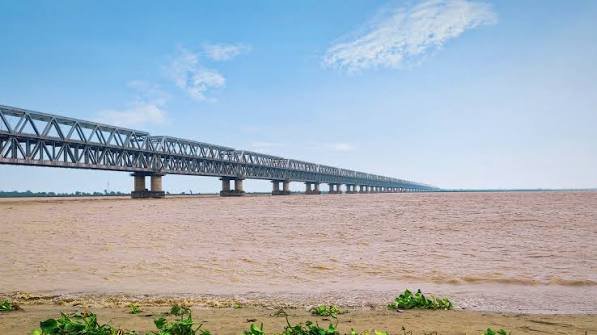
J.P. Setu is a large steel truss bridge measuring approximately 4,556 metres across the Ganga. Its repeated truss sections and large river piers give the bridge its distinctive appearance.
The bridge was designed to accommodate both railway and road movement within one major river-crossing project. This makes it different from conventional road-only Ganga bridges such as Mahatma Gandhi Setu.
Its scale also places it among India’s longer rail-cum-road bridges. More importantly for Bihar, it created another railway connection between the northern and southern parts of the state after decades of dependence on older crossings.
New Six-Lane Digha-Sonepur Bridge
A major new bridge is now being developed parallel to J.P. Setu.
The Cabinet Committee on Economic Affairs approved a 4,556-metre, six-lane high-level extradosed cable-stayed bridge across the Ganga on the western side of the existing Digha-Sonepur rail-cum-road bridge. The project forms part of NH-139W and is being implemented on EPC mode.
The approved project cost is ₹3,064.45 crore, including approximately ₹2,233.81 crore for civil construction. The project is designed to use technologies including 5D Building Information Modelling, a Bridge Health Monitoring System and regular drone mapping.
Official highway-project data lists the wider project length at about 6.895 km including approaches, with an appointed date of 2 May 2024 and a scheduled completion date of 2 November 2027.
The most important change will be road capacity. Unlike the existing light-vehicle crossing, the new six-lane bridge is intended to carry broader passenger and goods traffic and create stronger connectivity between Patna and the NH-139W corridor towards North Bihar.
Public Transport Near Digha Sonpur Bridge
The bridge is unusual because public transport operates both on the railway corridor and through the surrounding road network.
Patliputra Junction is the major railway station on the Patna side of the bridge corridor. Digha Bridge Halt also serves local railway passengers near the crossing. On the northern side, Sonepur is an important railway centre on the East Central Railway network.
Road-based transport includes buses, auto-rickshaws, taxis and app-based cabs in the Patna area, while local transport from Sonepur connects passengers towards Hajipur, Chhapra and surrounding settlements.
The combination of rail and road infrastructure makes this crossing particularly valuable for travellers who need to move between Patna and North Bihar without relying exclusively on Mahatma Gandhi Setu.
Major Landmarks and Places Near Digha Sonpur Bridge
Important places around the bridge corridor include:
- Digha Ghat: Well-known Ganga-side area near the Patna approach.
- P. Ganga Path: Major riverfront road corridor beginning at Digha and extending through Patna.
- Patliputra Junction: Major railway station serving western Patna.
- Sonepur: Historic town immediately beyond the north-bank side.
- Harihar Nath Temple: Important religious landmark in Sonepur.
- Sonepur Mela Grounds: Associated with the famous fair held around Kartik Purnima at the Ganga-Gandak confluence.
- Hajipur: Major nearby city in Vaishali district accessible through Sonepur.
Nearby Areas to Digha Sonpur Bridge
- Digha: Immediate Patna-side locality and the main urban approach to the bridge.
- Patliputra: Important residential and railway area in western Patna.
- Danapur: Large urban area west of central Patna with convenient access towards Digha.
- Sonepur: Main settlement on the northern side and a major railway, religious and fair destination.
- Hajipur: Important North Bihar city accessible through the Sonepur road network.
- Pahleja: Area closely associated with the north-bank bridge and railway approach.
FAQs About Digha Sonpur Bridge
Q1. Does J.P. Setu directly enter Hajipur?
No. The bridge first reaches the Sonepur side in Saran district. Motorists travelling to Hajipur continue through the road network beyond Sonepur rather than emerging directly in Hajipur.
Q2. Can J.P. Setu be used for travelling to Sonepur Mela?
Yes, it provides a direct Patna-to-Sonepur crossing. However, Sonepur Mela and Kartik Purnima attract very large crowds, and authorities may introduce special diversions or vehicle restrictions during the festival period.
Q3. Is Digha Sonpur Bridge the same as Mahatma Gandhi Setu?
No. J.P. Setu connects Digha with Sonepur, while Mahatma Gandhi Setu lies farther east and connects Patna with Hajipur. They are separate Ganga crossings serving different approach corridors.
Q4. Will the existing J.P. Setu disappear when the new six-lane bridge opens?
The approved project describes the new bridge as being built parallel to the western side of the existing rail-cum-road bridge, not as a replacement for it. This indicates that the new road bridge is intended to add capacity while the existing J.P. Setu continues to serve its rail-cum-road role.