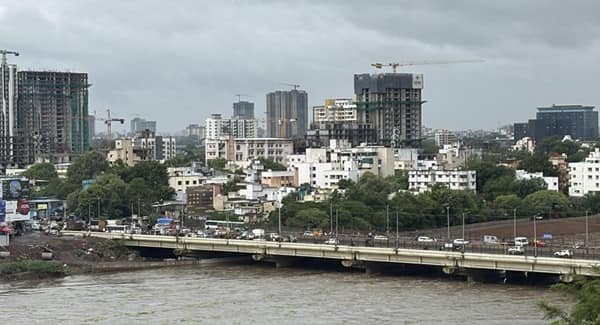
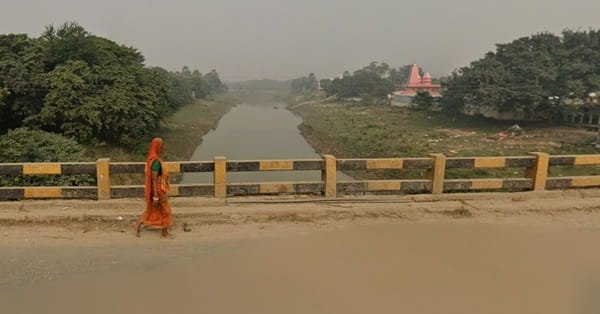
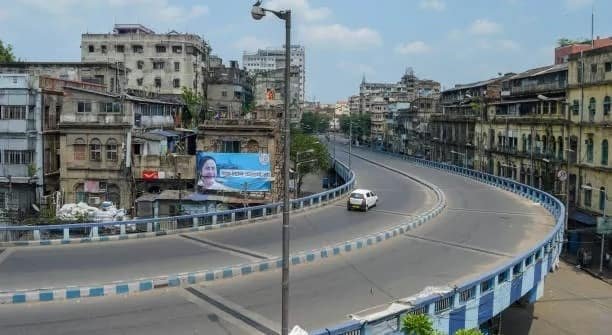
Malviya Bridge is a historic double-decker rail-cum-road bridge across the Ganga River in Varanasi, Uttar Pradesh. Located near Rajghat and Kashi railway station, it links the Varanasi city side with Padav and the Chandauli side of the river. The lower deck carries railway traffic, while the upper deck carries road traffic.
The bridge opened in 1887 as the Dufferin Bridge and is one of the best-known surviving examples of nineteenth-century railway bridge engineering in India. It is also widely called Rajghat Bridge because of its location near Rajghat. After Independence, it was renamed in honour of educationist and freedom-movement leader Madan Mohan Malaviya.
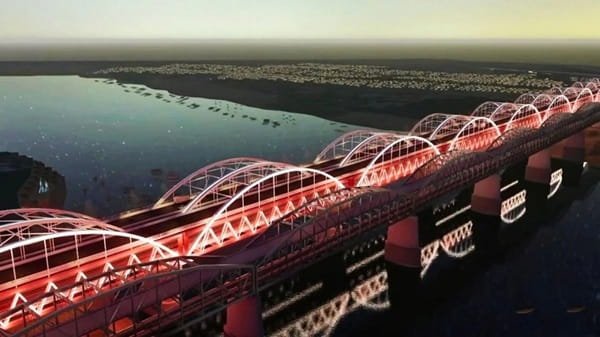
Malviya Bridge remains important for local movement between Varanasi and Chandauli as well as for railway operations on the Varanasi-Pt. Deen Dayal Upadhyaya Junction corridor. Its age has required repeated maintenance, and a new six-lane road and four-track railway bridge has now been contracted for construction just downstream of the old structure.
Quick Overview of Malviya Bridge
| Particular | Details |
| Common Name | Malviya Bridge / Malaviya Bridge / Rajghat Bridge |
| Original Name | Dufferin Bridge |
| Location | Rajghat, Varanasi, Uttar Pradesh |
| River | Ganga River |
| Bridge Type | Double-decker rail-cum-road steel bridge |
| Approx. Length | 1,048.5 metres |
| Span Arrangement | 7 spans of 350 ft and 9 spans of 110 ft |
| Lower Deck | Railway tracks |
| Upper Deck | Road traffic |
| Opened | 1887 |
| Renamed | 1948 |
| Main Road Connection | Varanasi-Rajghat-Padav-Chandauli corridor / GT Road connection |
| Rail Connection | Kashi-Varanasi side to Pt. Deen Dayal Upadhyaya Junction side |
| New Parallel Bridge | Contract awarded in 2026 for four railway tracks and a six-lane road |
Published bridge records give the old structure a length of about 1,048.5 metres, with seven 350-foot spans and nine 110-foot spans.
Where is Malviya Bridge Located?
Malviya Bridge crosses the Ganga on the north-eastern side of Varanasi, close to Rajghat and Kashi railway station. The Varanasi-side approach is associated with Rajghat, Namo Ghat and the older city road network, while the opposite bank connects towards Padav in Chandauli district.
The crossing is particularly useful for movement between Varanasi city and the Pt. Deen Dayal Upadhyaya Junction, formerly Mughalsarai, side. Its location also places it on the historic Grand Trunk Road connection across the Ganga.
Malviya Bridge Route and Road Connectivity
A common road movement through the bridge is broadly:
Central Varanasi / Golgadda → Rajghat → Malviya Bridge → Padav → Chandauli / Pt. Deen Dayal Upadhyaya Nagar
- Rajghat: Historic Varanasi riverfront area immediately beside the bridge.
- Namo Ghat: Major riverfront development close to the Varanasi-side approach.
- Padav: Important road junction on the Chandauli side of the river.
- Deen Dayal Upadhyaya Nagar: Major railway and commercial centre east of Varanasi.
- Ramnagar: Alternative trans-Ganga route used when the bridge is restricted or closed.
- Vishwasundari Bridge: Important alternative Ganga crossing for diverted road traffic.
Why is Malviya Bridge Important?
Malviya Bridge combines two transport functions in one structure. Trains use the lower deck, while road vehicles use the upper deck. This arrangement made the bridge a major engineering achievement when it opened and helped connect railway systems on opposite sides of the Ganga.
The bridge also created an important historical railway connection between Varanasi and Mughalsarai. Railway history records note that the opening of Dufferin Bridge in 1887 enabled the railway at Varanasi to connect with the network at Mughalsarai.
For road users, it provides a relatively direct connection between northern Varanasi and Padav. When the bridge is closed, some journeys require substantially longer diversions.
Traffic Conditions at Malviya Bridge
The upper road deck carries local and regional traffic, but its age and narrow historic layout mean that restrictions are periodically imposed during repair work. Traffic can build quickly around Rajghat and Padav when access is reduced.
A major repair programme in 2026 focused on the bridge’s drainage spouts and expansion joints. Night restrictions were scheduled from June 14 to August 13, generally from 10:00 PM until about 6:30 AM. Vehicles were diverted through routes including Ramnagar, Samne Ghat and Vishwasundari Bridge.
Traffic problems were still being reported around the crossing in mid-August. On August 15, 2026, delayed removal of barriers at the bridge was reported to have caused long queues towards Padav.
Heavy commercial vehicles have faced long-standing restrictions on the old road deck because of load and structural concerns. Current traffic signs and police directions should therefore be followed at the approaches.
Construction and Engineering of Malviya Bridge
The original Dufferin Bridge was built by engineers of the Oudh and Rohilkhand Railway and opened in 1887.
Its principal span arrangement consists of:
- 7 spans of approximately 350 feet each
- 9 spans of approximately 110 feet each
- Total published length of about 1,048.5 metres
- Steel-truss construction
- Railway deck below
- Road deck above
The structure became an important early example of a combined railway and road crossing in the Indian subcontinent.
Indian Railways’ Heritage Directorate also records that new girders were erected on the Dufferin Bridge in 1947, showing that substantial renewal work has been carried out during its long operating history.
From Dufferin Bridge to Malviya Bridge
The bridge was originally called Dufferin Bridge after Lord Dufferin. Historical engineering records place its inauguration on 16 December 1887.
After Independence, the structure was renamed Malviya Bridge in honour of Pandit Madan Mohan Malaviya, the noted educationist and founder of Banaras Hindu University.
Because of its position beside Rajghat, however, Rajghat Bridge remains a very common local name. Malviya Bridge, Malaviya Bridge and Rajghat Bridge generally refer to the same historic structure in Varanasi.
Maintenance and 2026 Repair Work
A bridge that has remained in service since the nineteenth century requires regular inspection and repair. The railway structure and upper road deck have undergone maintenance at different times.
The 2026 repair programme concentrated on drainage spouts and expansion joints on the road deck. Traffic restrictions were needed so work could proceed safely, demonstrating the difficulty of maintaining an old structure that still serves a busy route between Varanasi and Chandauli.
New Rail-cum-Road Bridge Beside Malviya Bridge
A much larger modern bridge is now planned alongside the historic structure.
In October 2024, the Union Cabinet approved the Varanasi-Pt. Deen Dayal Upadhyaya multitracking project, including a new rail-cum-road bridge across the Ganga. The overall railway project was estimated at approximately Rs 2,642 crore.
The bridge project advanced significantly in February 2026 when Northern Railway issued a Letter of Acceptance to the RVNL-GPT joint venture.
The proposed new bridge will be located about 50 metres downstream of the existing Malviya Bridge near Kashi railway station.
Its planned configuration includes:
- Four railway tracks on the lower deck
- Six-lane road on the upper deck
- 8 open-web steel-girder spans of 108.5 metres
- 2 spans of 103.3 metres
- Railway and road approach structures
- Associated railway electrification works
The bridge contract is worth approximately Rs 1,201.35 crore, with an execution period of 48 months from the appointed date.
The proposed structure is a separate bridge. The historic Malviya Bridge remains the existing crossing and should not yet be described as having been replaced.
Railway Role of Malviya Bridge
The lower deck forms part of the important railway connection between Varanasi and Pt. Deen Dayal Upadhyaya Junction. The corridor handles passenger as well as freight trains.
The Union government has specifically identified congestion on the Varanasi-Pt. Deen Dayal Upadhyaya route as a reason for adding railway lines and constructing the new Ganga bridge. The upgraded project is expected to increase railway capacity and improve freight movement.
Major Landmarks Near Malviya Bridge
- Ganga River: The river crossed by the bridge.
- Rajghat: Historic riverfront area immediately beside the Varanasi end.
- Namo Ghat: Major modern riverfront destination close to the bridge.
- Kashi Railway Station: Railway station near the western approach.
- Padav: Important junction on the Chandauli side.
- Deen Dayal Upadhyaya Junction: Major railway junction east of the river.
Nearby Areas to Malviya Bridge
- Rajghat: Immediate Varanasi-side area associated with the bridge.
- Kashi: Railway and urban area adjoining the western approach.
- Bhadaun: North Varanasi locality connected with the bridge-side road network.
- Padav: Main settlement and junction beyond the eastern approach.
- Ramnagar: Important trans-Ganga area providing an alternative road direction.
- Deen Dayal Upadhyaya Nagar: Major Chandauli-side urban and railway centre.
FAQs About Malviya Bridge Varanasi
Q. Can both trains and road vehicles use Malviya Bridge?
Yes. It is a double-decker bridge. Railway traffic uses the lower deck, while road traffic uses the upper deck.
Q. Are heavy trucks allowed on the old Malviya Bridge?
Heavy-vehicle movement has been restricted for many years because of load and structural concerns. Drivers should follow current traffic-police restrictions rather than rely on older route information.
Q. What alternative route is used when Malviya Bridge is closed?
Recent traffic diversions have sent vehicles through Ramnagar, Samne Ghat and Vishwasundari Bridge. The exact route depends on the direction of travel and the traffic advisory in force.
Q. Will the new bridge mean the historic Malviya Bridge will immediately close?
No such immediate conclusion should be made. The new bridge is intended to provide far greater railway and road capacity, but the future operating role of the old structure will depend on decisions by the railway and road authorities after the new bridge is completed.