Group insurance is a valuable employee benefit that helps protect individuals and their families against certain financial risks. Many employers provide group health insurance, group life insurance, or both as part of their employee benefits package. Because these plans may offer coverage at a relatively affordable cost, some employees wonder whether they need to purchase a separate personal insurance policy.
The answer depends on the type of group insurance, the amount of coverage, individual financial responsibilities, and what happens when employment ends. While group insurance can provide meaningful protection, relying on it alone may leave gaps in coverage.
Understanding the advantages and limitations of group insurance can help you decide whether a personal policy is necessary for your circumstances.
What Is Group Insurance Coverage?
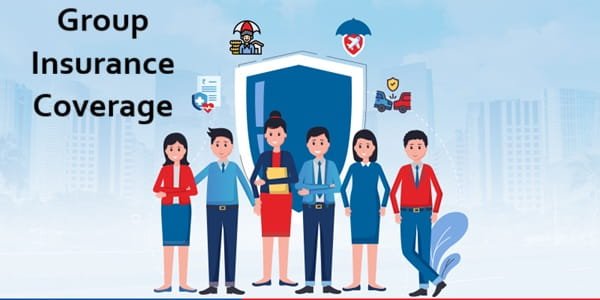
Group insurance is an arrangement in which an organisation, such as an employer or association, obtains insurance coverage for a defined group of eligible members. Instead of each person purchasing a separate policy under an individual contract, eligible members receive protection under a group policy.
Common forms of group insurance include:
- Group health insurance: Helps cover eligible medical expenses, subject to policy terms.
- Group life insurance: Provides a death benefit to eligible beneficiaries if the insured employee dies while covered.
- Group personal accident insurance: Provides specified benefits for covered accidental injuries, disability, or death.
The exact benefits depend on the policy arranged by the employer or organisation. Some employers pay the entire premium, while others require employees to contribute towards the cost or pay for optional benefits.
Group insurance can be useful because it provides access to coverage through an existing employment or membership relationship. However, its limits and conditions may not match every individual’s financial needs.
Advantages of Relying on Group Insurance
One of the main advantages of group insurance is affordability. Employers may negotiate coverage for a large group, allowing eligible employees to receive benefits without independently arranging every aspect of the policy.
Group health insurance may also offer access to medical benefits without the same individual underwriting process used for some personal policies. The precise eligibility requirements and exclusions depend on the insurer and the group arrangement.
Group life insurance can provide financial support to dependants if an employee dies while covered. Even a modest death benefit may help a family manage immediate expenses.
Another advantage is convenience. Employees may not need to research insurers, compare individual plans, or manage a separate premium payment for employer-funded coverage.
For employees with limited savings, group insurance can provide an important starting point for financial protection. Nevertheless, convenience should not be confused with complete coverage.
Why Group Insurance May Not Be Enough
The biggest limitation of group insurance is that the coverage may be determined by the employer’s benefit structure rather than by an individual’s financial needs.
For example, an employee may receive group life insurance equal to a specified multiple of their annual salary. If that amount is insufficient to support their dependants, repay loans, and cover future education expenses, the family may face a financial shortfall.
Similarly, an employer’s group health insurance may have a sum insured that is inadequate for a major hospitalisation in a private hospital.
Group policies may also contain restrictions involving eligible dependants, room-rent limits, co-payments, waiting periods, exclusions, or specific benefit sub-limits.
Employees should therefore review the policy document rather than assuming that the word “group” means comprehensive protection.
What Happens When You Leave Your Job?
Employment-linked insurance can create a coverage gap when someone resigns, changes jobs, retires, or loses employment.
Group health insurance generally depends on eligibility under the employer’s arrangement. Coverage may end when employment ends, although the exact termination date and any continuation options depend on the policy terms.
Group life insurance may also stop when an employee leaves the organisation. Some arrangements may offer conversion or continuation options, but these should never be assumed to be available automatically.
For example, an employee who relies entirely on employer-provided health insurance may need to arrange new coverage after changing jobs. If the transition is not planned carefully, the individual and their family could temporarily lack suitable protection.
A personal insurance policy can reduce this dependency because it is generally maintained independently of employment, provided the policy remains active and premiums are paid when due.
Is Employer-Provided Health Insurance Enough?
Whether group health insurance is sufficient depends on the sum insured, family size, location, existing medical needs, and available savings.
A group policy covering an employee and their dependants may be adequate for some households. However, a single hospitalisation can consume a substantial portion of the available coverage, particularly when several family members share one limit.
Consider a family with employer-provided health insurance of ₹5 lakh. If an eligible hospitalisation claim uses ₹4 lakh, only ₹1 lakh may remain for other claims during the relevant period, subject to the policy’s rules.
A personal health insurance policy can provide additional protection and may remain in force even after a job change. Another option may be a suitable super top-up plan, which provides additional coverage after eligible expenses exceed its deductible.
Before buying extra coverage, compare the employer’s benefits with your existing health insurance, understand waiting periods and exclusions, and assess whether the combined protection meets your needs.
Is Group Life Insurance Enough for Your Family?
Group life insurance can be useful, but it may not provide the level of financial protection a family requires after the loss of an income earner.
When calculating life insurance needs, consider outstanding loans, household expenses, children’s education, dependants’ financial needs, and existing assets or savings.
For example, a person whose family needs substantial long-term income replacement may find that the employer’s group life benefit is insufficient. An individual term life insurance policy can provide additional coverage based on the person’s financial responsibilities and eligibility.
Personal term insurance can also help reduce dependence on a particular employer’s benefit package. However, the appropriate sum assured and policy term should be selected carefully, and premiums must remain affordable.
When Should You Consider a Personal Insurance Policy?
A personal policy may be worth considering if:
- Your group health or life insurance coverage is too low for your financial responsibilities.
- You have dependants who rely on your income.
- You have a home loan or other significant financial obligations.
- Your employer’s insurance ends when your employment ends.
- You want to select coverage, benefits, and policy duration based on your individual needs.
- You are concerned about losing access to employer coverage during a job transition.
The best time to review personal insurance is while you still have access to your existing benefits and can compare alternatives. Applying for individual insurance later may involve different premiums, underwriting requirements, or eligibility conditions.
How to Choose the Right Combination
You do not necessarily have to choose between group insurance and personal insurance. For many people, using both can provide a more balanced approach.
Start by reviewing your employer’s policy documents, including the sum insured, dependants covered, exclusions, deductibles, and termination rules. Next, calculate how much additional protection your family may need.
Compare individual policies based on coverage, premiums, waiting periods, claim procedures, and renewal terms. Avoid purchasing overlapping benefits without understanding whether they provide additional value.
If affordability is a concern, prioritise the risks that could create the greatest financial hardship. For example, adequate health coverage and sufficient term life insurance for dependants may be more important than buying several optional benefits immediately.
Conclusion
Group insurance can provide valuable financial protection, but it may not be enough as the sole source of coverage. Its benefits are often shaped by an employer’s policy, and eligibility may change when employment ends.
A personal health or life insurance policy can help fill coverage gaps, provide greater control over benefits, and reduce dependence on employer-sponsored protection. However, the need for additional insurance depends on your existing coverage, financial responsibilities, and budget.
Review your group insurance carefully, estimate your family’s protection needs, and compare personal policies before making a decision. A combination of group and individual coverage may offer stronger long-term protection when each policy serves a clear purpose.