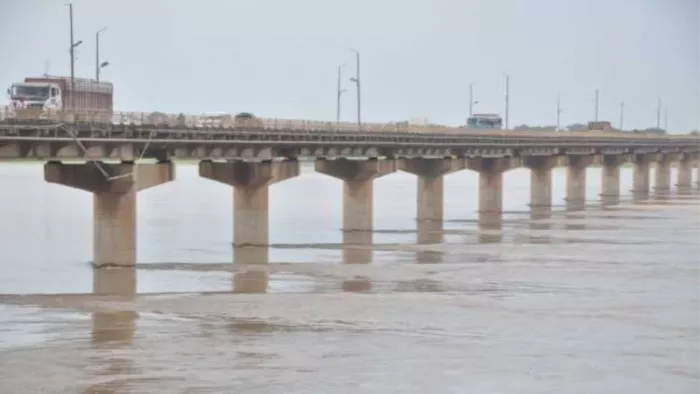
Shastri Bridge is one of the most important road bridges in Prayagraj, Uttar Pradesh, carrying traffic across the Ganga between the city side at Daraganj and Jhunsi on the eastern bank. The bridge forms a crucial part of the Prayagraj–Varanasi road corridor and is heavily used by daily commuters as well as vehicles travelling between Prayagraj and districts of eastern Uttar Pradesh.
Its importance becomes particularly visible during the Magh Mela, Kumbh and other major religious gatherings in Prayagraj. Shastri Bridge lies close to the Sangam and extensive mela grounds, making it one of the key traffic links for pilgrims approaching the city from the Jhunsi and Varanasi side. In January 2026, additional safety grills were installed along much of the bridge because of its close proximity to Kalpwasi camps.
Apart from its religious and regional importance, the ageing bridge has increasingly become a focus of repair and traffic-management work. A new four-lane bridge parallel to Shastri Bridge has now been approved to provide additional capacity and reduce pressure on the existing crossing.
Quick Overview of Shastri Bridge
| Particular | Details |
| Name | Shastri Bridge |
| Location | Prayagraj, Uttar Pradesh |
| River | Ganga River |
| Connects | Daraganj and Jhunsi |
| Major Road Corridor | Prayagraj–Varanasi corridor |
| Approximate Bridge Length | About 2 km |
| Nearby Areas | Daraganj, Jhunsi, Sangam area, Parade Ground and Trivenipuram |
| Towards Prayagraj City | Daraganj, Sangam, George Town and central Prayagraj |
| Towards Jhunsi | Jhunsi, Andawa and Varanasi side |
| Used By | Cars, two-wheelers, buses and commercial traffic, subject to temporary restrictions |
| Public Transport | Buses, autos and e-rickshaws in the surrounding area |
| Known For | Major Ganga crossing and Prayagraj–Purvanchal connectivity |
| Major Future Project | New four-lane parallel Ganga bridge |
Recent reporting on Magh Mela preparations describes the existing Shastri Bridge as approximately 2 km long.
Where is Shastri Bridge Located?
Shastri Bridge crosses the Ganga River between Daraganj and Jhunsi in Prayagraj. Daraganj lies on the city side of the river, while Jhunsi forms one of the major residential and transport gateways on the eastern side.
The location gives the bridge considerable regional importance. Vehicles entering Prayagraj from the Varanasi and eastern Uttar Pradesh side frequently approach through Jhunsi before crossing Shastri Bridge into the city.
The bridge is also relatively close to the Triveni Sangam and the large seasonal mela area. During major religious gatherings, nearby land on both sides of the Ganga is used for camps, parking, temporary roads and crowd-management infrastructure. In the 2026 Magh Mela layout, areas around Shastri Bridge formed part of the designated mela sectors.
This combination of everyday city traffic, regional highway movement and seasonal pilgrimage traffic explains why Shastri Bridge is one of Prayagraj’s strategically important road crossings.
Shastri Bridge Route and Road Connectivity
Shastri Bridge provides one of the principal road connections between central Prayagraj and the eastern side of the Ganga.
Important connections include:
- Daraganj: The western approach to the bridge and an old residential and religious area of Prayagraj.
- Jhunsi: The principal locality immediately across the Ganga on the eastern side.
- Andawa: An important road junction beyond Jhunsi for vehicles continuing towards eastern destinations.
- Varanasi: Shastri Bridge forms part of the wider road movement between Prayagraj and Varanasi.
- Sangam: Accessible from the Daraganj and mela-side road network.
- George Town and central Prayagraj: Reachable after entering the city from the Daraganj side.
- Phulpur and eastern Prayagraj district: Accessible through the wider Jhunsi road network.
- Prayagraj Mela area: The bridge plays an important role in traffic routes during Magh Mela and Kumbh gatherings.
Traffic plans for major religious events frequently incorporate Shastri Bridge because it provides one of the key entry routes into Prayagraj for vehicles arriving from the eastern side.
Why is Shastri Bridge Important?
The bridge performs three major functions.
First, it provides an everyday connection between Jhunsi and the main Prayagraj city area. Thousands of people living on the trans-Ganga side depend on the crossing for work, education, healthcare and other daily travel. Traffic disruptions on the bridge therefore quickly affect local commuting.
Second, Shastri Bridge is an important regional route connecting Prayagraj with Varanasi and Purvanchal. Heavy regional traffic therefore shares the crossing with local cars and two-wheelers.
Third, the bridge plays a major role during large religious gatherings. The proximity of the bridge to the mela grounds makes it important for controlling the movement of pilgrims, buses, emergency vehicles and local traffic.
These different demands place unusually heavy pressure on an older bridge that was constructed for traffic conditions very different from those seen today.
Traffic Conditions at Shastri Bridge
Traffic congestion can become significant at Shastri Bridge during morning and evening peak hours, major religious events, road repairs and temporary lane restrictions.
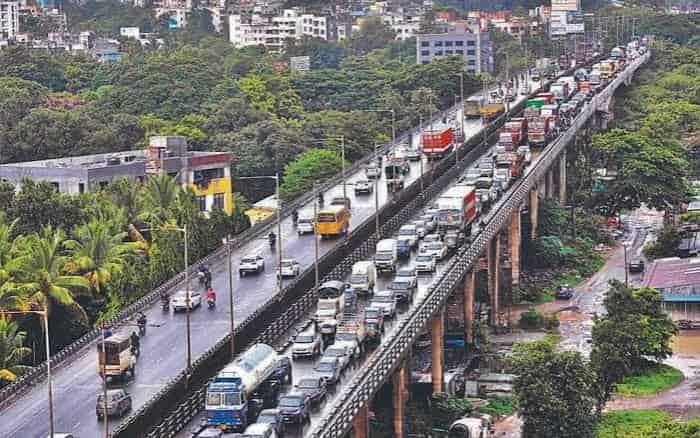
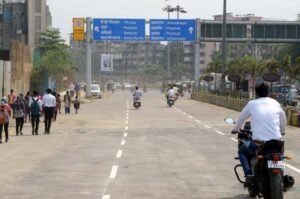
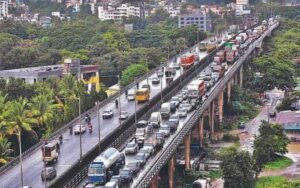
Because the bridge carries both city and regional traffic, even a partial closure can quickly create queues on the Jhunsi and Daraganj approaches. During repair work in June 2026, the closure of one lane resulted in congestion on both sides, with motorists entering the opposite lane adding to delays.
Authorities deployed more than 150 police personnel, including 50 traffic police officers, during the June 2026 repair period to regulate traffic on the bridge and diversion routes.
Traffic pressure also increases substantially during Magh Mela, Kumbh, Kanwar Yatra and other periods of unusually high pilgrimage movement.
As of August 2026, temporary traffic restrictions are again relevant. One lane was scheduled to remain closed for about a month from July 28, 2026, to facilitate Kanwar Yatra movement, creating one-way traffic arrangements on the bridge.
Travellers should therefore check current traffic advisories when visiting during major festivals or periods of bridge maintenance.
History and Age of Shastri Bridge
Shastri Bridge has served Prayagraj for several decades.
Historical reporting states that the foundation for the bridge over the Ganga was laid around 1966–67. Construction was initially undertaken by Kolkata-based Joshi & Company. After the company left the project incomplete following several years of work, the remaining construction was subsequently completed by another bridge-building organisation. The structure was later named after former Prime Minister Lal Bahadur Shastri.
This long service life explains why maintenance has become increasingly important.
The bridge was built at a time when vehicle numbers in Prayagraj were far lower. Today it carries intensive two-wheeler, car, bus and commercial traffic while also supporting extraordinary traffic loads associated with major religious events.
Repair and Maintenance Work
Regular maintenance has become an important issue for Shastri Bridge.
In June 2026, one lane between Daraganj and Jhunsi was closed for extensive repairs. The work included attention to bridge bearings and expansion joints, with the closure initially scheduled from June 3 to July 15. Heavy vehicles were diverted while limited categories of smaller vehicles continued using the available lane.
Repair work on that lane was completed and normal movement resumed in July. Authorities indicated that work on the second lane would be taken up after the monsoon rather than closing both sides in quick succession.
Maintenance is particularly important because Shastri Bridge cannot easily be removed from the road network. There are limited nearby alternatives capable of absorbing all the traffic that normally uses this crossing.
That limitation is one of the main reasons authorities are now moving towards construction of another bridge nearby.
New Four-Lane Bridge Parallel to Shastri Bridge
The most important future infrastructure project involving Shastri Bridge is a new four-lane bridge across the Ganga.
In July 2026, the Uttar Pradesh government approved the new crossing to provide an alternative to the existing bridge and reduce congestion on the Prayagraj–Jhunsi route.
Current project details indicate:
- Approximate bridge length: 2,500 metres
- Configuration: Four lanes
- Location: Around 500 metres north of the existing Shastri Bridge
- Estimated project cost: Around ₹1,500 crore
- Target construction start: Around December 2026, subject to completion of formalities
- Expected construction period: Approximately three years
Officials have indicated that the additional crossing could eventually allow traffic to be distributed between the two bridges, reducing pressure on the ageing Shastri Bridge.
The project is particularly significant ahead of Ardh Kumbh 2031, when Prayagraj is expected to again experience enormous temporary increases in traffic and pedestrian movement.
Shastri Bridge and Prayagraj’s Mela Traffic
Few ordinary city bridges have such a direct connection with major religious gatherings.
During Magh Mela and Kumbh periods, large temporary settlements are established along the Ganga near the bridge. Roads around Jhunsi, Daraganj, the Sangam and mela grounds are reorganised to manage pilgrims and vehicles.
In January 2026, authorities installed iron safety grills along around 1.5 km of the bridge approaches. The measure was introduced partly because Kalpwasi camps were located below sections of the bridge. A central portion directly over the river was treated differently.
This makes Shastri Bridge more than a normal transport link. During major gatherings it becomes part of Prayagraj’s wider crowd-management and pilgrimage infrastructure.
Public Transport Near Shastri Bridge
Public transport is available on both the Daraganj and Jhunsi sides of the bridge.
Autos, e-rickshaws and local buses are commonly used for travel between Jhunsi and different parts of Prayagraj. Daraganj also provides access towards the Sangam, city centre and other established neighbourhoods.
During major gatherings, however, normal routes can change significantly because of parking restrictions, one-way systems and temporary diversions.
Visitors travelling during Magh Mela or Kumbh should therefore follow the temporary traffic arrangements rather than assuming that normal bus, taxi or auto routes will remain unchanged.
Major Landmarks Near Shastri Bridge
Several important religious and urban landmarks are located in the wider bridge area:
- Triveni Sangam: The famous confluence of the Ganga, Yamuna and traditionally believed Saraswati.
- Daraganj: Historic riverside neighbourhood on the Prayagraj side of the bridge.
- Jhunsi: Major residential area and eastern gateway to Prayagraj.
- Magh Mela Grounds: Large seasonal gathering area spread across the riverbank near the bridge.
- Prayagraj Fort: Important historic landmark near the Sangam.
- Nag Vasuki Temple: Well-known religious landmark in the Daraganj area.
- Parade Ground: Important city and mela reference point west of the river.
The bridge’s proximity to these areas explains why it remains busy even outside normal office commuting hours.
Nearby Areas to Shastri Bridge
- Daraganj: Located at the city-side approach and useful for reaching the Sangam and central Prayagraj.
- Jhunsi: The principal locality on the eastern side of the bridge and an important residential and transport hub.
- Trivenipuram: Large residential area on the Jhunsi side with many daily commuters using the bridge.
- Sangam Area: Located close to the bridge and especially important during religious gatherings.
- George Town: Established central Prayagraj locality accessible after crossing towards the city.
- Andawa: Major junction beyond Jhunsi for vehicles travelling further east.
FAQs About Shastri Bridge Prayagraj
Q1. Can heavy vehicles use Shastri Bridge?
Heavy vehicles normally form part of regional traffic using the corridor, but temporary restrictions are frequently introduced during repairs, religious events or special traffic arrangements. Drivers of commercial vehicles should check the latest diversion advisory before travelling.
Q2. Why is another bridge being built near Shastri Bridge?
The existing bridge carries heavy local and regional traffic and requires periodic repairs. A new four-lane crossing is planned to provide additional capacity and reduce dependence on the older structure.
Q3. Does Shastri Bridge remain open during Kumbh and Magh Mela?
The bridge remains a major part of Prayagraj’s mela traffic system, but vehicle access can be restricted or diverted depending on crowd levels and the day’s traffic plan.
Q4. Is there a toll for crossing Shastri Bridge?
There is no separate toll plaza specifically for crossing Shastri Bridge itself.
Q5. Why does traffic increase so sharply when one lane is closed?
The bridge carries local Jhunsi–Prayagraj traffic as well as vehicles travelling on the Prayagraj–Varanasi corridor. With limited nearby alternatives, closing even one lane can create substantial congestion on both approaches.